ISO 13485:2016 provides a framework for managing that risk. When applied to medical device packaging, the standard helps establish consistency, supports validation activities, and brings discipline to process control. Understanding how ISO 13485:2016 applies to packaging allows OEMs to evaluate suppliers with a clearer lens and fewer assumptions.
What ISO 13485:2016 Means for Medical Packaging
ISO 13485:2016 is a quality management system standard written specifically for medical devices and related services. Its focus differs from general quality standards by placing greater weight on risk management, documentation, and traceability within regulated healthcare applications.
Packaging falls within that scope when it supports medical devices, components, or sterile barrier systems. Thermoformed trays, sealing lids, and medical blister packaging must be produced under controlled conditions and documented in a way that supports repeatability. Suppliers operating under ISO 13485:2016 are expected to follow defined procedures and inspection practices that align with customer requirements and regulatory expectations.
For OEMs, that consistency reduces friction during audits and shortens the path through validation reviews.
Where Compliance Risk Often Shows Up in Medical Packaging
Packaging-related compliance issues rarely come from a single failure. More often, risk builds gradually through small process variations or gaps in documentation. Slight changes in forming conditions can affect tray geometry. Minor tooling adjustments can introduce inconsistencies that surface later during validation. Material substitutions, even well-intentioned ones, can create questions that stall programs.
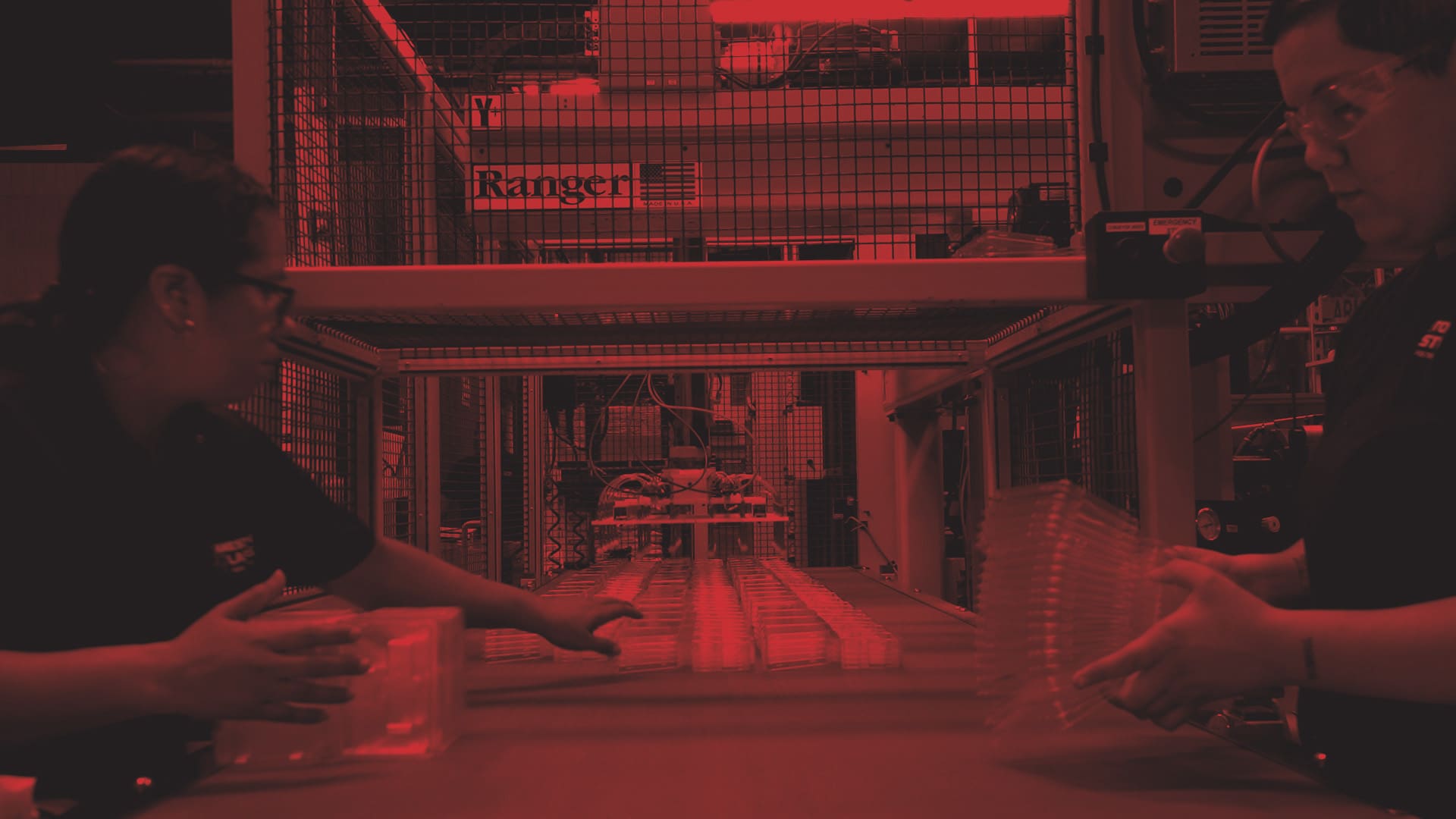
Manufacturing environment control also plays a role. Packaging components intended for healthcare settings demand stable, repeatable processes. Without clear work instructions and inspection discipline, variation increases as volumes rise.
ISO 13485:2016 addresses these realities by requiring process monitoring, documented corrective actions, and traceability. Suppliers that apply these principles consistently help OEMs maintain confidence as programs scale.
Supporting Sterile Barrier Systems Through Controlled Processes
Sterile barrier systems depend on packaging components that perform predictably within validated conditions. Packaging suppliers support those systems through controlled forming processes and documented material selection, along with disciplined change management.
ISO 13485:2016 quality systems define how those processes are reviewed and maintained over time. Packaging components produced through cleanroom thermoforming follow established inspection practices and handling procedures designed to limit variability. Material decisions are recorded and evaluated to support long-term consistency across tray-based packaging systems.
Rather than relying on broad claims, ISO 13485:2016 emphasizes traceability and process control, focusing on helping OEMs protect validated packaging systems even as programs evolve.
Medical Tray Validation and Packaging Readiness
Medical trays serve practical functions throughout a device’s lifecycle. They support presentation, protect components during transport, and interface directly with sealing processes. Consistency in tray geometry and material performance influences how smoothly validation efforts move forward.
ISO-driven manufacturing supports validation readiness through stable forming conditions and documented inspection criteria. Packaging suppliers working within ISO 13485:2016 understand how tooling control and process monitoring affect downstream qualification activities.
Controlled manufacturing environments further reduce variability. When packaging suppliers align their processes with customer validation requirements, OEMs face fewer interruptions as programs transition from early builds into sustained production.
Quality Management for Medical Plastics Programs
ISO 13485:2016 shapes daily manufacturing behavior, not just audit preparation. Document control determines how changes are introduced. Inspection planning influences how issues are identified. Corrective action processes guide how problems are addressed and prevented from recurring.
Medical packaging programs rarely remain static. Volumes increase, materials evolve, and designs are refined over time. A well-applied quality management system provides a way to manage those changes without disrupting production or creating compliance concerns.
OEMs benefit from partners who treat quality management as an operational discipline rather than a certification milestone.
What to Look for in an ISO 13485:2016 Medical Packaging Partner
Choosing a medical packaging partner involves more than confirming certification status. OEMs gain more insight by examining how quality systems function on the production floor.
Key considerations include current ISO 13485:2016 certification with a clearly defined scope, documented process controls tied to inspection and traceability, and manufacturing environments matched to the application. Material expertise matters as well, particularly when packaging performance depends on polymer selection or lidding compatibility for medical blister packaging.
Programs also benefit from suppliers that support integrated systems. Trays, sealing lids, and packaging equipment must work together, and coordination between those elements reduces handoffs and misalignment.
How Jamestown Plastics Supports ISO 13485:2016 Medical Packaging Programs
Jamestown Plastics applies ISO 13485:2016 quality management principles across its medical packaging operations in New York and Texas. Thermoforming capabilities include thin gauge and heavy gauge processes developed for medical applications. Products are manufactured using cleanroom thermoforming in Class 7 and Class 8 environments to support controlled production requirements.
Medical packaging offerings include custom thermoformed trays, sealing lids produced from materials such as coated Tyvek®, medical paper, and composite films, and packaging system support through Medipack AG sealing equipment. These capabilities allow Jamestown Plastics to support integrated packaging programs while maintaining disciplined process control.
In-house tooling and engineering support further contribute to consistency throughout program lifecycles. Quality systems guide inspection, documentation, and change management activities in support of regulated medical customers.
Building Confidence Through ISO 13485:2016 Medical Device Packaging
Medical device packaging influences how programs perform under regulatory scrutiny and how reliably they run over time. ISO 13485:2016 provides a structure for managing those expectations through controlled processes and documented quality practices.
OEMs evaluating packaging partners benefit from looking beyond certification alone. Packaging produced within a well-managed quality system supports predictable outcomes and reduces compliance risk across every stage of production.
Let’s Talk About Your ISO 13485:2016 Packaging Requirements
Jamestown Plastics works with medical OEMs to support compliant, reliable packaging programs built for regulated environments. Contact our team to discuss your medical device packaging needs.